
Cost Per Click (CPC) is a performance-based digital advertising model where advertisers are charged only when a user actively interacts with their ad. Unlike traditional “pay-for-exposure” models, CPC ensures that your budget is spent on tangible engagement, specifically, the moment a potential customer clicks or taps on your content.
Where and When to Use CPC
This model is the standard for major advertising networks, including:
- Search Engines: Google Ads and Bing Ads.
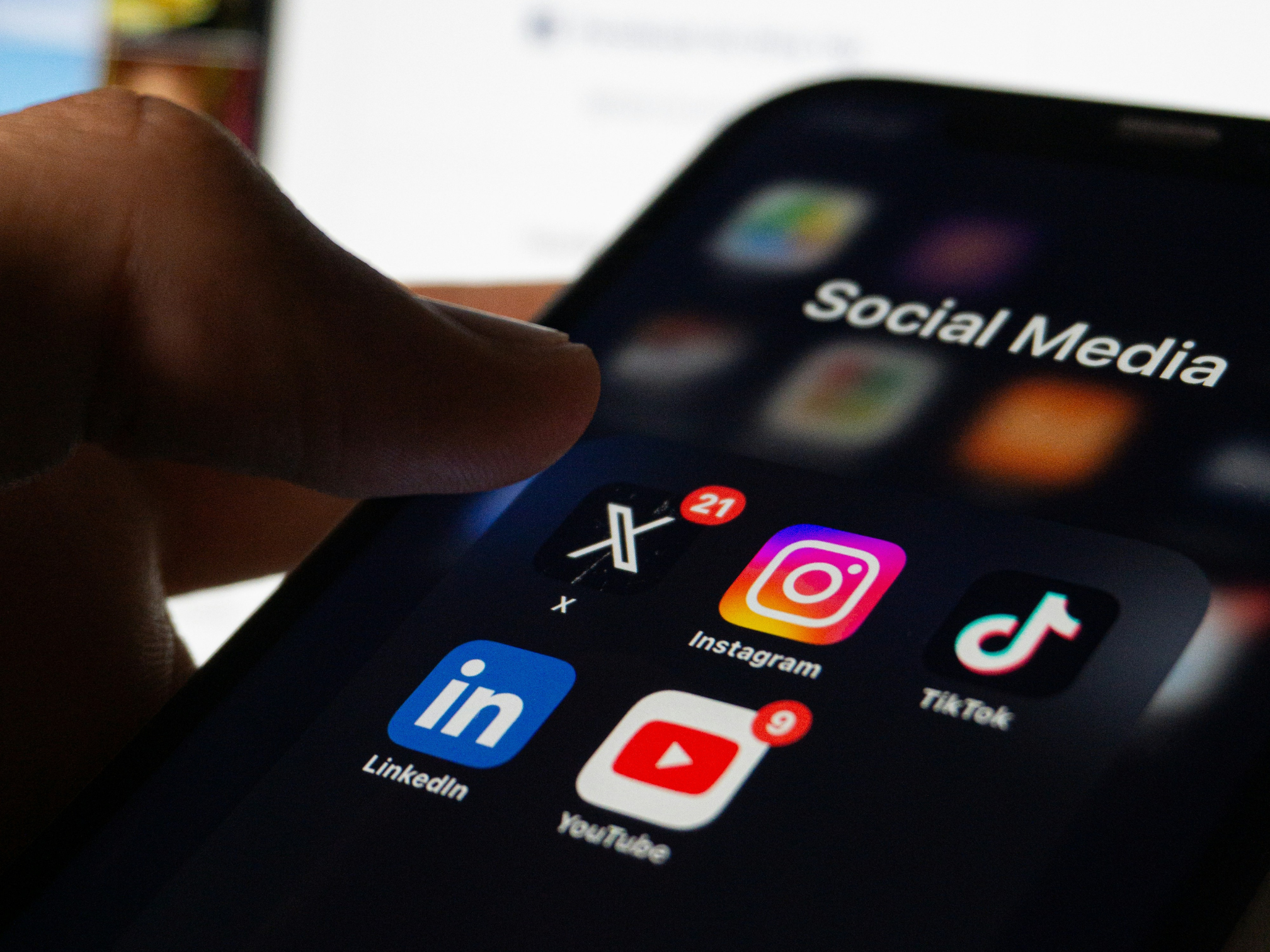
- Social Platforms: Meta (Facebook/Instagram) and LinkedIn.
CPC is particularly effective for traffic-oriented goals. If your objective is to direct users toward a specific landing page, blog post, or product listing, CPC allows you to measure the direct cost of every visitor you acquire.
What Influences Your Costs?
The price you pay per click isn’t fixed; it is determined by a dynamic auction system. Key variables include:
- Market Competition: When many businesses show ads to the same people or use the same keywords, the cost goes up because of the higher demand.
- Ad Quality and Relevance: If your ad is helpful and matches what users are looking for, platforms will often give you a discount on each click.
- Targeting Precision: The specificity of the audience you are trying to reach can also impact the final cost.
The Strategic Value of CPC
CPC provides a high level of financial transparency. By monitoring this metric, businesses can:
- Budget with Precision: Predict how much investment is required to reach a specific traffic goal.
- Calculate ROI: Determine if the cost of a click justifies the potential revenue from a lead or sale.
- Optimize Performance: Identify which ads are underperforming and adjust them to lower costs and improve results.
In essence, CPC transforms advertising from a guessing game into a measurable science, ensuring that every dollar spent is tied to a direct action from a user.